Workshop Catalog

Poured & Polished

What to Expect

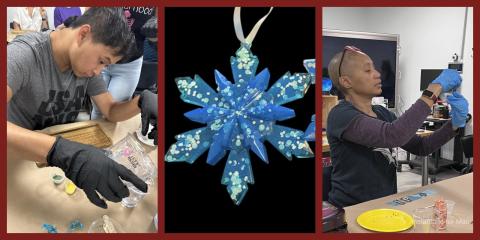
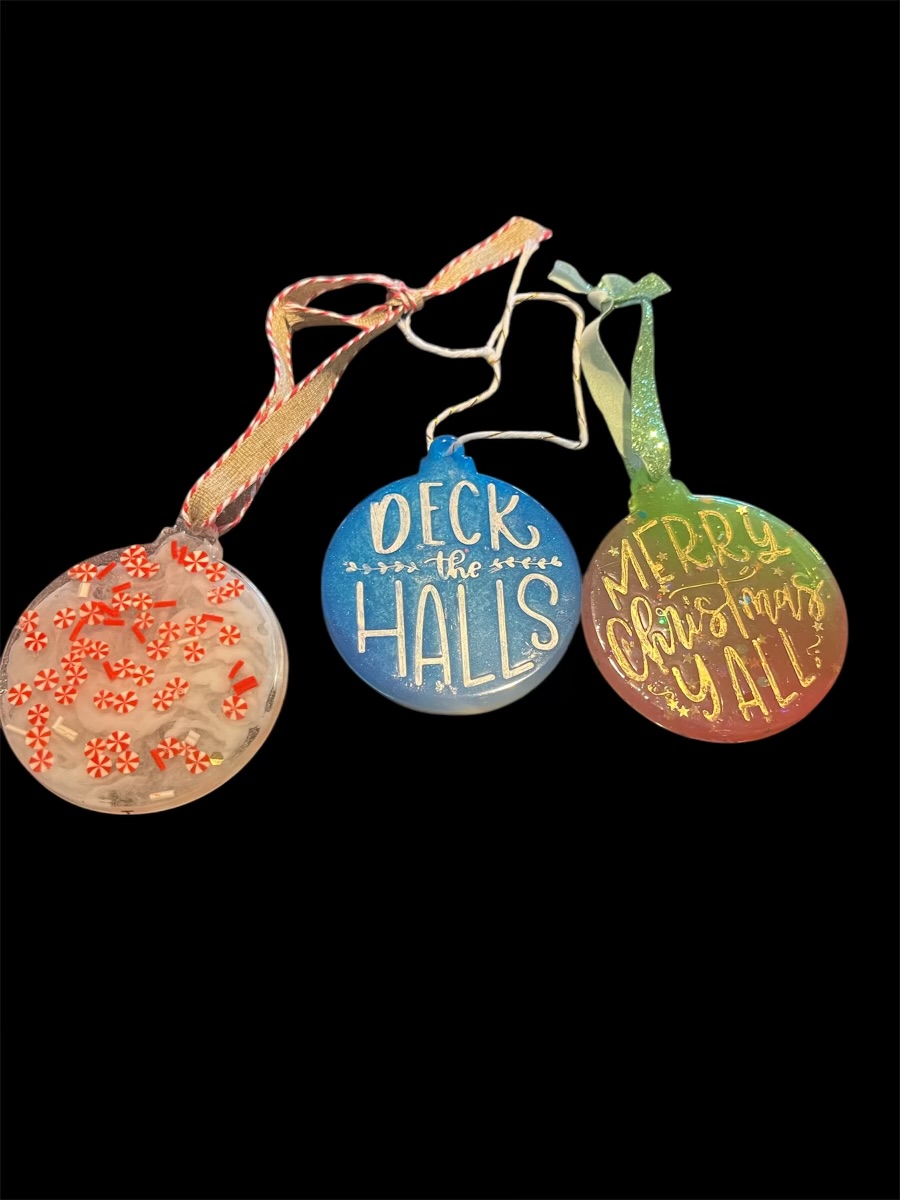
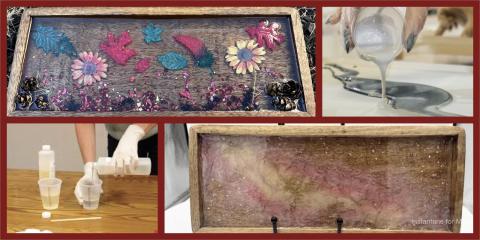
  • Decorating a wood-framed tray (approx. 6″×12″) with resin accents
  • Choosing from a variety of pigments, glitters, and inclusions to create your own design
  • Learning the fundamentals of safe resin mixing, pouring, and finishing
  • Step-by-step instruction in a supportive and beginner-friendly environment

Skills You’ll Acquire
View workshop →

Pressed Flowers in Clay


This workshop meets on two dates: November 8th (making) and 16th (glazing).

What to Expect

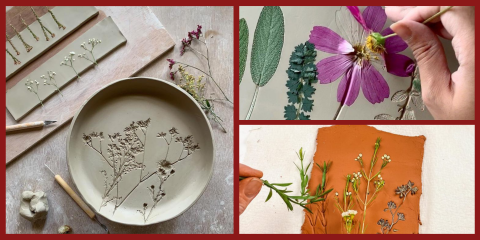
On the first day (November 8th), participants will shape their clay pieces using slab techniques and pressed floral textures. Linnie will guide you through how to handle clay, attach elements with slip, and support your forms as they dry. After the pieces are fired, you’ll return on November 16 to glaze your creations using hand-applied techniques. Finished work will be ready for pickup after the final firing.

View workshop →

Python Essentials


What to Expect:
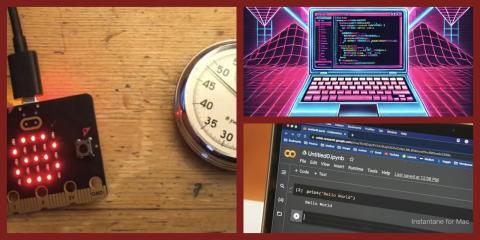
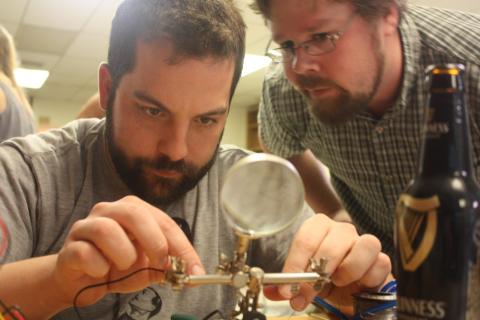
In this course, you'll dive into the core fundamentals of Python, covering essential topics like data types, functions, file handling, and data structures. The course is designed to be interactive and fun, with a hands-on project where you'll build a touch-activated stopwatch using a microcontroller.

View workshop →

Quilting and Binding


What to Expect

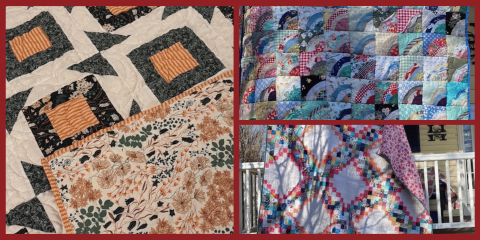
This standalone skill class meets on Sunday, December 6, from 1–4pm. This class combines demonstration and guided practice. The instructor will demonstrate various binding methods and hand-finishing techniques to secure quilt edges. Participants will spend the session applying these methods to their own work or practice materials.

View workshop →

Quilting with Denim


What to Expect

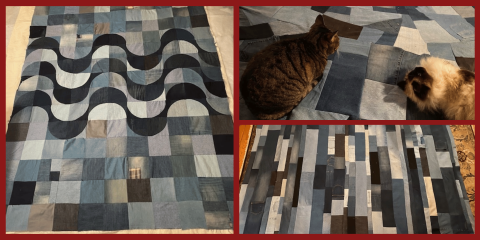
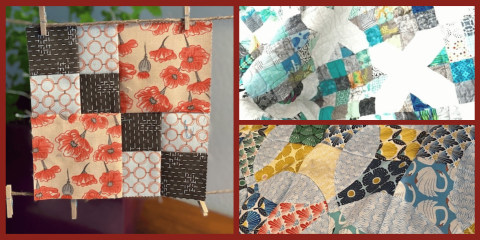
This standalone skill class meets on Sunday, November 1, from 1–4pm. This class combines demonstration and guided practice. The instructor will demonstrate techniques for cutting, arranging, and piecing heavy fabrics into cohesive designs. Participants will practice stitching through multiple layers of denim to complete at least one finished block.

View workshop →

Stock Market Basics

What to Expect

Expect a mix of approachable instruction, real-world examples, and simple analysis exercises to help you practice what you learn. The instructor will guide you through reading stock charts, understanding market terminology, and interpreting the broader economic signals that influence trading decisions.


Skills You’ll Acquire

View workshop →

The Ways of the Waterjet


What to Expect:

In this immersive workshop designed for those with a basic understanding of water jet usage, Joel will guide you through intermediate concepts while delving into participant-driven advanced topics. This isn't just a class; it's a personalized journey to uncover the full potential of the water jet.

Workshop Highlights:

View workshop →

Tile Time


What to Expect:
- Dive into the basic techniques of mosaic art, mastering cutting, shaping, and arranging glass to fashion intricate patterns and designs.
- Familiarize yourself with essential mosaic tools and equipment, including tile nippers, mosaic cutters, adhesives, and grouting materials, ensuring safety and efficiency in your practice.

View workshop →

Traditional Piecing


What to Expect

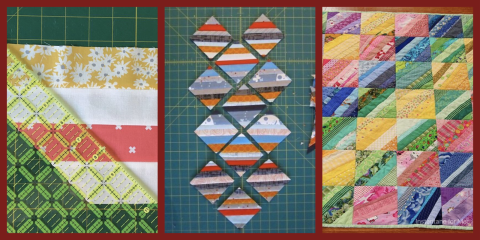
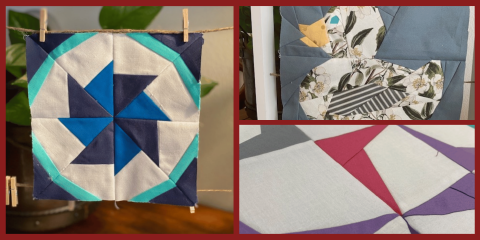
This standalone skill class meets on Sunday, January 4, from 1–4pm. Gayle, our instructor, will guide you through each step of traditional piecing using demonstrations, guided instruction, and hands-on practice. Fabrics will be available to use, or you can bring your own quilting cotton.

View workshop →

Traditional Quilting


What to Expect

This standalone skill class meets on Sunday, February 8th, from 1–4pm. Gayle, our instructor, will guide you through each step of foundation paper piecing using demonstrations, guided instruction, and hands-on practice. Fabrics will be available to use, or you can bring your own quilting cotton.

View workshop →

Whittle Something Wonderful

What to Expect

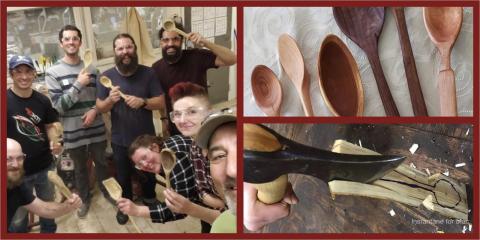
The session begins with a safety overview and introduction to the tools and materials. You’ll work through each stage of spoon carving—from rough shaping with carving tools to smoothing and finishing with sandpaper and food-safe oil. Instruction includes both demonstrations and plenty of hands-on time, with guidance throughout. Optional shop tools like sanders or buffers may be used during finishing. Everyone will leave with a completed wooden spoon and the knowledge to carve more on their own.


View workshop →